
February 14 2026 at 03:00PM
AI Is Powerful. Human Strategy Is Decisive
As someone who prioritizes automation to enhance team performance and reduce burnout, I’ve grown increasingly fond of technology. Microsoft Copilot has become a trusted companion, especially when it comes to quickly generating recap notes—but even with those efficiencies, I know our administrative “robot helpers” don’t create value on their own. No matter how advanced the tools or how powerful the AI, meaningful business outcomes still depend on human vision, strategy, and purpose.
I actively leverage automation within Smartsheet for our internal operations—having built systems like a live customer satisfaction tracker that automatically updates using pre-existing contract data.
When implemented thoughtfully, these tools reduce manual effort, improve visibility, and allow people to focus on decision-making rather than data entry.
However, I’m keenly aware of technology’s limitations. The expectations many leaders have of AI and digital tools often exceed what technology can deliver on its own—especially without strong communication, ethical judgment, and leadership guiding its use. I’ve encountered situations where leaders think buying a new tool will solve our problems or being asked to “just automate it” without fully understanding what they wanted automated and why.
This tension became clear during a recent Smartsheet implementation for a customer. Their team was looking for a solution that could “do everything” with minimal human involvement. Leadership wanted simplicity, self-maintaining data, and repeatable project management workflows. One senior decision maker was understandably cautious about additional investment, questioning whether the platform could truly deliver on its promise without creating more work.
What followed was less about configuration and more about conversation.
Through a series of working sessions, I collaborated with our technical expert, the client’s newly hired business development lead, and one of their project managers to unpack what they truly needed. These discussions required active listening, alignment across roles, and honest reframing of what automation can—and cannot—replace. Technology could support their goals, but only if it was designed around how people actually plan, allocate resources, and evaluate risk.
The resulting solution was intentionally complex behind the scenes. We built a system that projected resource workload five years into the future, giving leadership immediate insight into staffing needs, resource shifts across projects, and emerging financial risks. While the dashboards felt intuitive to users, the real value came from human-centered design decisions informed by trust, context, and shared understanding.
After delivery, the client shared feedback that underscored the impact. Their CEO—who had considered abandoning Smartsheet altogether described the deliverable walkthrough as the most productive leadership meeting the organization had held in over a year and expressed enthusiasm for continuing to evolve the tool in future sprints.
That result wasn’t driven by automation alone. It was enabled by communication, emotional intelligence, and leadership—by meeting people where they were, addressing concerns, and guiding them through change.
As AI and automation become more embedded in project work, the differentiator will not be the tools themselves, but the human skills applied alongside them.
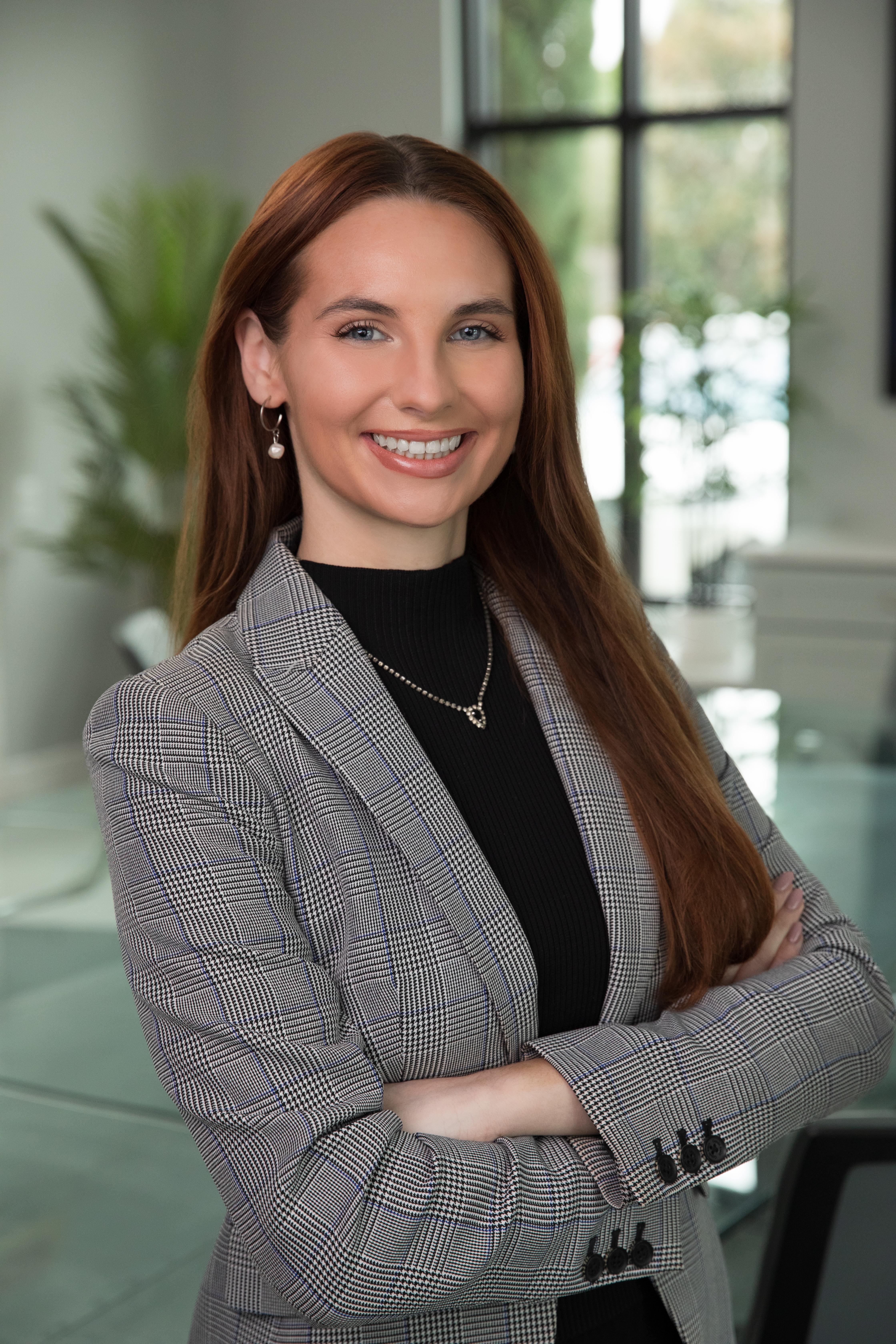
Sydney Wright, PMP, is a project management professional specializing in compliance readiness, process improvement, and client success. As a Project Manager at Alluvionic, she leads CMMC and NIST SP 800-171 initiatives, Smartsheet implementations, and PMO engagements, translating complex requirements into clear, actionable plans. Passionate about creating clarity out of complexity, she partners with cross-functional teams and executive stakeholders to deliver structured, scalable solutions that drive compliance and operational maturity.