
April 25 2026 at 09:00AM
Artificial Intelligence Will Not Replace Human Brilliance — It Will Amplify the Minds Bold Enough to Use It
Despite the rapid evolution of Artificial Intelligence, one of the biggest misconceptions today is that AI will replace human intelligence entirely. In reality, the opposite is happening.
Artificial Intelligence is proving to be a powerful amplifier of human creativity, insight, and decision-making—especially for leaders, innovators, and project managers who understand how to harness its potential.
The future of work will not be defined by humans versus machines, but by humans empowered by intelligent systems.
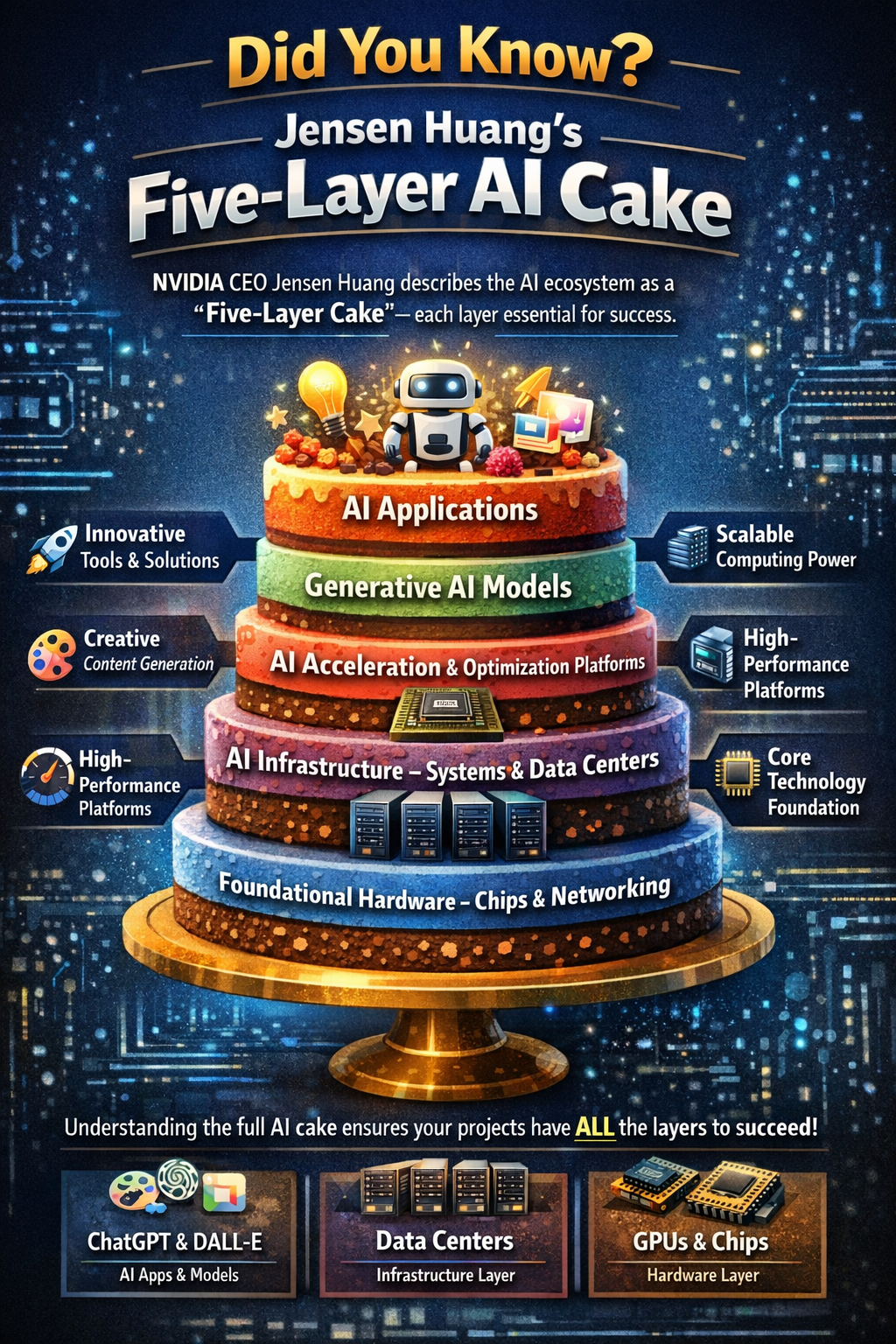
The Real Role of AI: Augmentation, Not Replacement
AI excels at tasks such as:
- processing massive amounts of data
- identifying patterns quickly
- automating repetitive operations
- generating insights at scale
However, AI still relies heavily on human capabilities such as:
- creativity
- ethical judgment
- contextual understanding
- strategic thinking
- leadership
This is why many experts now describe the future as “Human + AI collaboration.”
Organizations that embrace this model are seeing dramatic improvements in productivity and innovation.
Why AI Amplifies Human Brilliance
- Faster Decision-Making
AI can analyze data in seconds that might take humans days or weeks.
For leadership teams, this means:
- quicker insights
- better forecasting
- data-informed strategic planning
Human leaders still make the final decisions—but now they do so with far richer information at their fingertips.
- Unlocking Creativity
AI tools can assist with:
- idea generation
- content creation
- design exploration
- scenario modeling
Rather than replacing creativity, AI often expands the range of ideas humans can explore.
Many teams report that AI acts like a “creative collaborator.”
- Removing Repetitive Work
Project managers and leadership teams often spend significant time on administrative tasks.
AI can automate processes such as:
- documentation drafting
- data summarization
- scheduling and reporting
- knowledge retrieval
This frees professionals to focus on high-value thinking, strategy, and innovation.
Real-World Examples of Human + AI Success
Healthcare
Doctors are using AI systems to analyze medical images and identify patterns that might be missed by the human eye.
Yet the final diagnosis still depends on human expertise, experience, and judgment.
AI acts as a second brain, not a replacement.
Software Development
Developers now work alongside AI coding assistants that can generate code suggestions and detect errors.
Instead of eliminating programmers, these tools allow engineers to build software faster and experiment with new ideas more efficiently.
Business Strategy
Executives increasingly use AI-powered analytics platforms to analyze markets, competitors, and operational performance.
However, the interpretation of these insights—and the strategic decisions that follow—remain firmly in the hands of human leadership teams.
What This Means for Project Managers
For project managers, the rise of AI represents a major shift in how work is planned and executed.
Successful project managers will increasingly:
- use AI tools for risk analysis
- automate status reporting and documentation
- analyze project data for predictive insights
- focus more on leadership, stakeholder management, and strategic alignment
In other words, AI will handle the heavy analytical lifting, while humans focus on direction and decision-making.
A New Skill for the AI Era: AI Fluency
To fully benefit from AI, leaders must develop what many now call AI fluency.
This includes:
- understanding how AI systems work
- knowing how to ask the right questions
- interpreting AI-generated insights
- recognizing ethical and governance considerations
Those who develop these skills will not be replaced by AI—they will become exponentially more effective.
The Leadership Opportunity
Throughout history, transformative technologies—from electricity to the internet—have always raised concerns about job displacement.
Yet each wave of innovation ultimately created new opportunities for those willing to adapt and learn.
Artificial Intelligence is no different.
The leaders who thrive in the AI era will not be those who resist it, but those who embrace it as a tool to enhance human potential.
Final Thought
Artificial Intelligence will not replace human brilliance.
Instead, it will amplify the minds bold enough to use it.
For AI leadership teams and project managers, the real challenge is not competing with AI—but learning how to collaborate with it to unlock new levels of creativity, productivity, and innovation.
The future belongs to human intelligence empowered by artificial intelligence.
By Chitanya Kiran Viswanatha
About the Author
LinkedIn :https://www.linkedin.com/in/kiran-v-79a09630/
Accomplished and results-driven Senior Project Manager with over 15+ years of experience leading complex, cross-functional projects across industries such as technology, retail, finance, insurance , healthcare, and Manufacturing. Proven expertise in end-to-end project delivery, including scope definition, stakeholder engagement, budgeting, risk mitigation, and post-delivery evaluation. Adept at managing multi-million-dollar portfolios, aligning project goals with strategic business objectives, and driving operational excellence
Experience in Agentic Process Management (APM) role to automate and optimize workflows, process analysis, and integrations leading to more efficient and adaptable business processes.
Experience implementing various SAAS solutions especially Salesforce Service Cloud platform to meet specific customer service needs, enhancing automation, personalized support, seamless customer experiences.
My proficiency in Master Data Management and Python, coupled with a strong foundation in Cybersecurity, empowers to drive significant process enhancements and strategic automation initiatives.