
February 03 2026 at 11:43PM
Black PM Impact Series #1: Dr. Aprille J. Ericsson — Governing Mission-Critical Delivery
When people think about space missions, they picture rockets and robotics. What they don’t always see is the project and program leadership behind the scenes—governance, risk management, stakeholder alignment, and accountability—where deadlines don’t move and consequences are real.
In this Black History Month kickoff to our Black PM Impact Series, we’re spotlighting Dr. Aprille J. Ericsson—because her career is a masterclass in what disciplined project leadership looks like in the highest-stakes environments.
Bio: Who Dr. Aprille J. Ericsson is
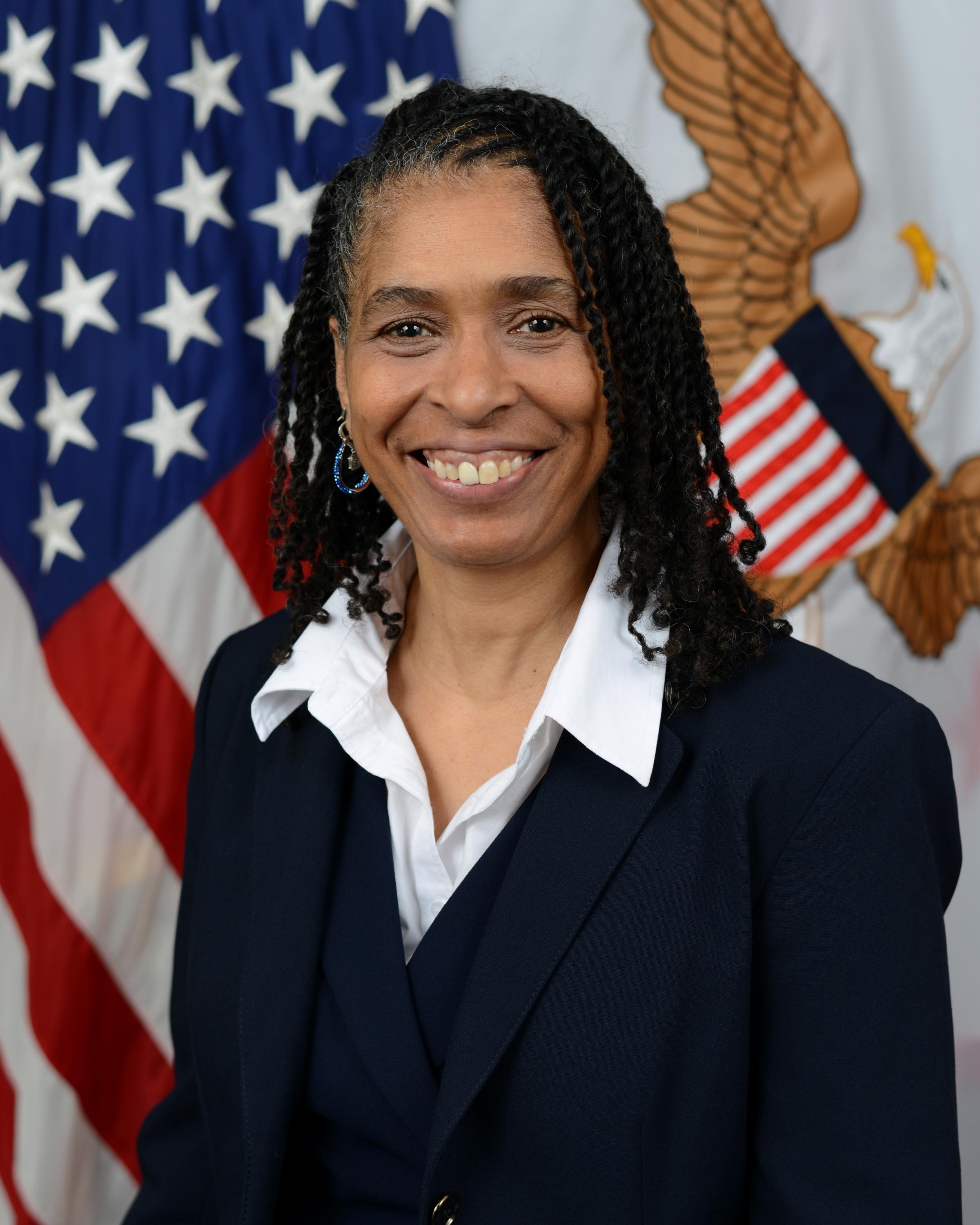
Dr. Aprille J. Ericsson is an aerospace engineer and senior science-and-technology leader with more than three decades of experience spanning NASA and U.S. government technology leadership. She earned a Bachelor of Science in aeronautical and astronautical engineering from Massachusetts Institute of Technology and later earned master’s and doctoral degrees in mechanical engineering (aerospace option) from Howard University.
She is widely cited as the first African American woman to receive a Ph.D. in mechanical engineering from Howard University, and as the first African American woman to receive a Ph.D. in engineering at NASA Goddard Space Flight Center.
The impact she’s made
What makes Dr. Ericsson especially relevant for project managers is that her work sits at the intersection of complex delivery and institutional accountability.
Across multiple professional biographies, she is described as serving in roles such as:
- Instrument Project Manager for missions that include the James Webb Space Telescope and ICESat-2.
- Acting and Deputy Instrument Project Manager for ICESat-2’s sole instrument, the Advanced Topographic Laser Altimeter System (ATLAS), for multiple years—highlighting sustained delivery leadership, not just “launch-and-leave.”
- Portfolio-level roles such as Program Executive for Earth Science and Business Executive for Space Science, linking delivery to governance and enterprise decision-making.
And importantly, her leadership extends beyond delivery: she is also described as a champion for STEM education, mentorship, and workforce development—scaling impact through people, not just projects.
Why she’s a great example to follow
Dr. Ericsson’s career is a strong model for PMs because it demonstrates what “credible leadership” looks like when the stakes are high:
-
Governance is part of the operating model, not a binder on a shelf. Her roles explicitly blend execution with oversight and accountability—exactly what modern PMs need as projects become more data-driven, regulated, and publicly visible.
-
Technical fluency strengthens executive presence. In complex environments, leaders must translate engineering realities into decisions about risk, tradeoffs, and accountability—without losing stakeholder trust.
-
Impact multiplies through mentorship. Multiple bios emphasize her commitment to mentoring and education—reminding us that leadership isn’t only what happens in the steering committee; it’s also what you build in your teams and community.
Four “space-grade” PM takeaways you can use today
You don’t need to work at NASA to apply these. If you’re managing an ERP rollout, a cybersecurity program, an AI initiative, or an operating model change—these practices travel.
1) Treat governance as schedule protection
In high-stakes delivery, governance isn’t “extra.” It’s how you prevent late surprises.
What to do this week
- Define decision rights (who decides what)
- Add governance gates with clear exit criteria
- Make escalation paths explicit—and actually use them
Her career reflects this blend of delivery + oversight roles, where governance is inseparable from execution.
2) Make interfaces a first-class deliverable
Complex programs win or lose at the seams: handoffs, dependencies, data flows, vendor integration, and ownership boundaries.
What to do this week
Create an “Interface Log” as real as your RAID log:
- interface owner
- upstream/downstream dependencies
- acceptance criteria
- review dates
The ATLAS instrument leadership role is a reminder that long-lived systems succeed through disciplined integration and sustained accountability.
3) Plan for lifecycle ownership beyond go-live
Space systems evolve. Their environment changes. Performance must be monitored continuously. Modern business systems behave the same way—especially AI, analytics, platforms, and security.
What to do this week
If your plan ends at go-live, add a lightweight “Operate” section:
- success metrics
- monitoring cadence
- ownership model
- change approval path
Her mission and instrument roles emphasize that stewardship continues long after initial delivery.
4) Build leaders, not just deliverables
Project leadership isn’t only output—it’s capability building.
What to do this week
Pick one team member and give them ownership of a well-scoped deliverable with:
- clear success criteria
- decision boundaries
- structured support
Her mentoring and education focus is consistently highlighted as part of her leadership footprint.
References
-
U.S. Department of War biography: career overview, NASA roles, governance/portfolio roles, education, and “firsts.”
-
American Institute of Aeronautics and Astronautics bio: details on instrument PM work, NASA HQ roles, and Acting/Deputy IPM responsibilities for ICESat-2 ATLAS.
-
Howard University news story: confirmation/nominations context, “firsts,” and broader leadership impact and recognition.
-
Sally Ride Science panelist bio: mentoring and youth outreach emphasis.
-
Photo source: Defense Media Activity image hosted on media.defense.gov (linked from the U.S. Department of War biography page).